
Forty is an age professional athletes once rarely expected to reach while still competing at the highest level. Today, some of sport’s most recognisable names are making it a chapter worth watching.
Alex Ovechkin is 41. Novak Djokovic is 39. LeBron James is 41 and preparing for his 24th NBA season.
Their careers invite an obvious question: are athletes playing longer because their bodies are better prepared, or because their desire to compete refuses to fade?
The answer involves both—but also talent, opportunity, adaptation and the good fortune to survive a demanding career.
Are players able to last longer now?
Modern sport offers sophisticated ways to manage a career: individual training programmes, workload monitoring, rehabilitation and specialised support.
A 2024 research review on athletes with extended careers emphasised tailored strength training, monitoring responses to workload and avoiding abrupt training-load increases. The message was practical: sustaining performance requires managing the work, rather than simply adding more of it.
That helps explain how careers can be extended. It does not mean everyone can play until 40, or that these famous examples prove careers are lengthening across every league and position.
There is a selection effect: we notice the extraordinary survivors. The players who retired earlier because of injury, declining performance or lack of opportunity are less visible.
Are they in better condition?
Better supported is easier to defend than universally fitter.
An older athlete can be exceptionally conditioned without matching their younger self in every physical quality. Research on ageing athletes highlights the importance of recovery and adjusting training.
The aim changes: preserve the abilities that matter most, manage limitations and arrive ready for competition.
Experience can help an athlete recognise a situation earlier, choose a better position or make a more efficient decision. But experience cannot cancel every physical disadvantage.
The question is whether preparation and judgement can preserve enough performance to meet the demands of the sport.
Hockey and tennis: different routes to longevity

Ovechkin has already secured the NHL’s all-time goals record. On October 5, he announced that the 2026–27 season would be his last.
His decision adds a useful perspective: an athlete can still love the game and choose an ending. Records may help explain the journey without being the reason to continue forever.
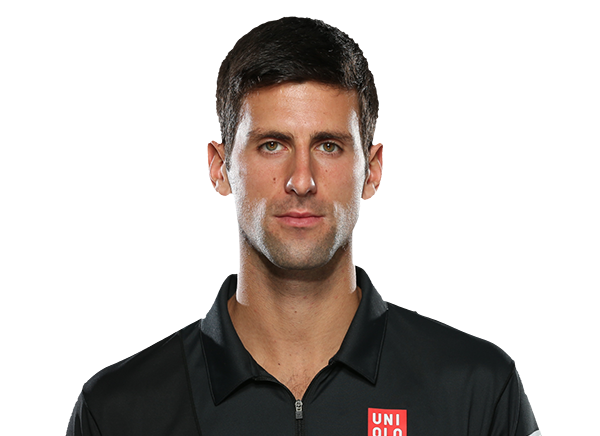
Djokovic faces a different test. Tennis offers no substitute to finish a match and no teammate to cover a difficult stretch. Every tournament requires him to solve the contest himself.
He has identified defending his Olympic singles title at Los Angeles 2028, when he would be 41, as a major motivation.
That is a concrete goal beyond simply refusing to retire. A distant target can give daily preparation meaning—but reaching it still depends on health and performance.
Basketball, baseball and football: the role matters
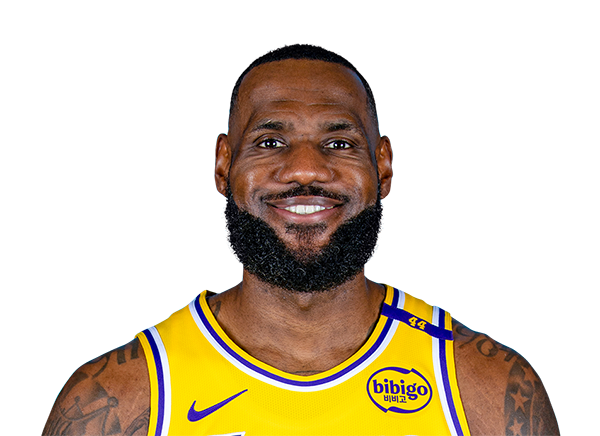
LeBron’s move to Philadelphia for a 24th NBA season shows that another championship remains a compelling ambition. At 41, he is entering a new setting with another opportunity to compete for a title.
Basketball also raises a difficult question: can a veteran accept different minutes or responsibilities while remaining valuable? Extending a career may require changing what success looks like.
Baseball offers similar questions. Max Scherzer, 42, deferred his retirement decision until the offseason. Justin Verlander, 43, announced that 2026 would be his final season.
For a pitcher, experience and execution matter, but so does being able to repeat the delivery and recover between outings. A long career eventually becomes a conversation between what the player wants and what the body can reliably provide.

In football, Tom Brady won a Super Bowl at 43 and retired at 45. Aaron Rodgers, 42, has said 2026 will be his final NFL season.
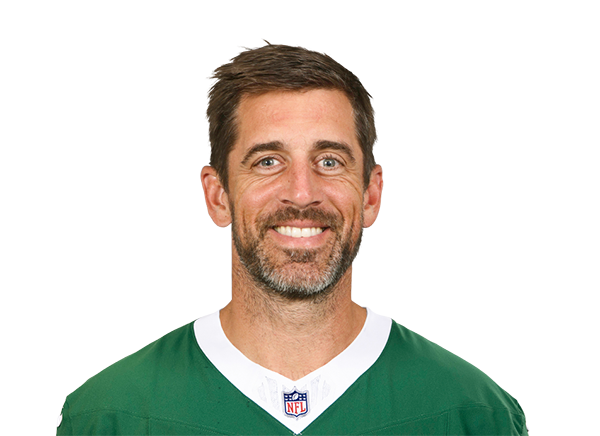
Quarterbacks can draw on accumulated knowledge of defences and timing. Their longevity should not become an expectation for running backs, linemen or other players whose jobs place different demands on their bodies.
What keeps the drive alive?
History and legacy are part of the appeal. Another championship, an Olympic medal or an all-time record can give a veteran a powerful reason to keep preparing.
But motivation need not be grand. The attraction may be the competition itself: solving a problem, helping teammates, testing a skill and experiencing a moment that cannot be recreated elsewhere.
For someone who has organised life around sport since childhood, retirement also means changing daily routines, relationships and a familiar sense of purpose.
We should ask whether an athlete is moving toward something they still want—or continuing mainly because leaving feels frightening. Only the athlete can fully answer that.
When should they retire?
A birthday is a poor retirement rule. So is the demand to leave at the peak.
An athlete should be able to continue in a smaller role if they still contribute and find the work rewarding. A less spectacular final season does not erase decades of achievement.
The more useful questions concern present value, health and choice. Can they perform the job? Is recovery manageable? Is the commitment still worthwhile? Are they comfortable with the risks and the time it takes from life outside sport?
Teams owe veterans honest assessments. Athletes deserve space to weigh those assessments without every difficult game becoming a public referendum on their future.
Ovechkin’s announced farewell and Djokovic’s Olympic ambition illustrate two legitimate choices: setting an ending and setting another goal.
The achievement is not merely staying employed at 40. It is finding a way to compete with purpose—and recognising when that purpose belongs in the next chapter.
Sources
- Reuters, Ovechkin retirement announcement, October 5, 2026
- Reuters via Flashscore, Djokovic Olympic motivation, June 2025
- Reuters, LeBron media day, September 28, 2026
- MLB, Scherzer retirement decision, September 26, 2026
- MLB, Verlander retirement announcement, July 8, 2026
- NFL, Rodgers retirement plans
- NFL, Brady Super Bowl at 43
- NFL, Brady retirement at 45
- Training Model for Extended Career Athletes: A Narrative Review, 2024
- Training in the aging athlete, 2009